Epoxy Grout vs. Standard Grout: Which Is Best for Your Shower Regrout?

If your shower grout is cracked, discoloured, or growing mould no matter how often you scrub it, it's probably time for a regrout. But before your tiler gets started, there's one decision that will shape how your shower performs for years to come: epoxy grout or standard cement-based grout? At GG Tiles & Stone Restoration, this is one of the questions Melbourne homeowners ask us most. Here's how the two compare, so you can choose the right option for your bathroom.

What's the Difference Between Epoxy and Standard Grout?

Standard grout (also called cement-based grout) is the traditional option most homes are fitted with. It’s made from cement, sand, and water, and is affordable, easy to apply, and available in a wide range of colours.

Epoxy grout is made from epoxy resins and a filler powder, rather than cement. It cures into a much harder, denser, and less porous surface, which changes almost everything about how it performs in a wet environment like a shower.

Epoxy Grout: The Pros and Cons

Pros

  • Virtually waterproof. Epoxy grout has very low porosity, so it resists water absorption far better than cement grout, an important factor in showers where grout lines are constantly wet.
  • Stain and mould resistant. Because it doesn’t absorb moisture easily, epoxy is much harder for mould, mildew, and soap scum to take hold in.
  • Extremely durable. Epoxy grout resists cracking, chipping, and wear, so it tends to last significantly longer than standard grout, especially in high-moisture, high-traffic areas.
  • Low maintenance. It generally doesn’t need sealing, and cleaning is much easier since grime doesn’t penetrate the surface.

Cons

  • Higher upfront cost. Epoxy grout and its installation typically cost more than standard grout.
  • Trickier application. It sets faster and is less forgiving to work with, so it really needs an experienced installer to get a clean, even finish.
  • Less flexible in colour blending once cured, though the colour range itself is still broad.
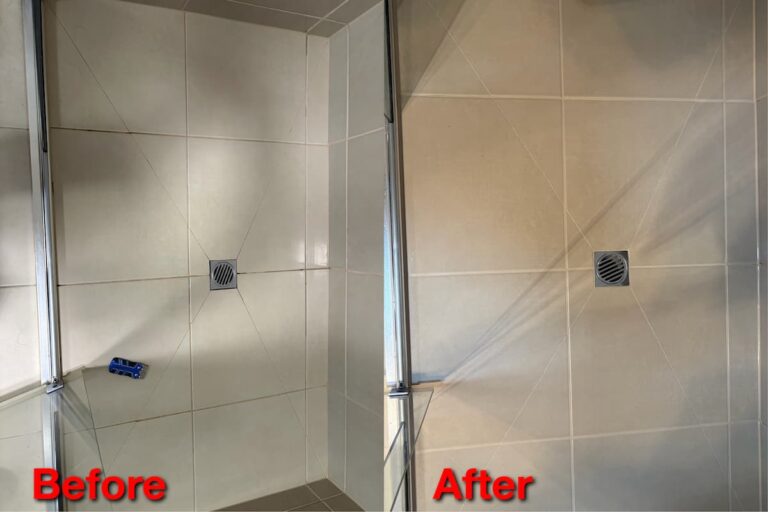
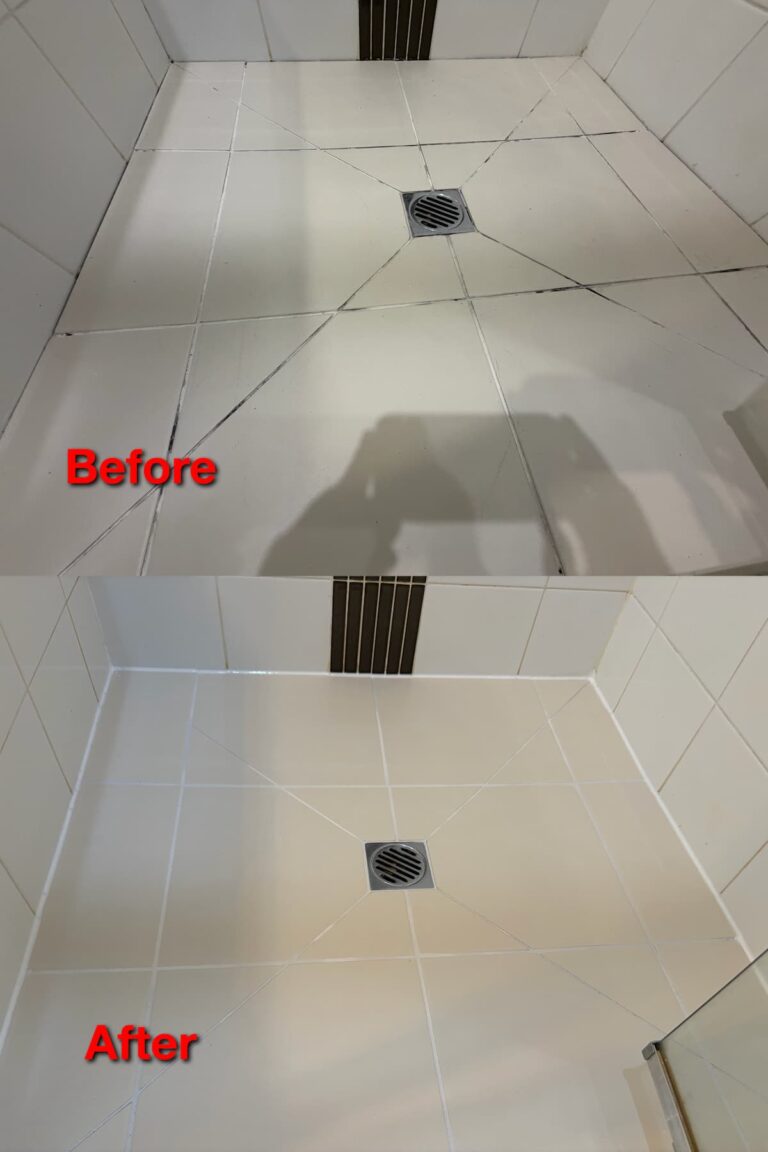
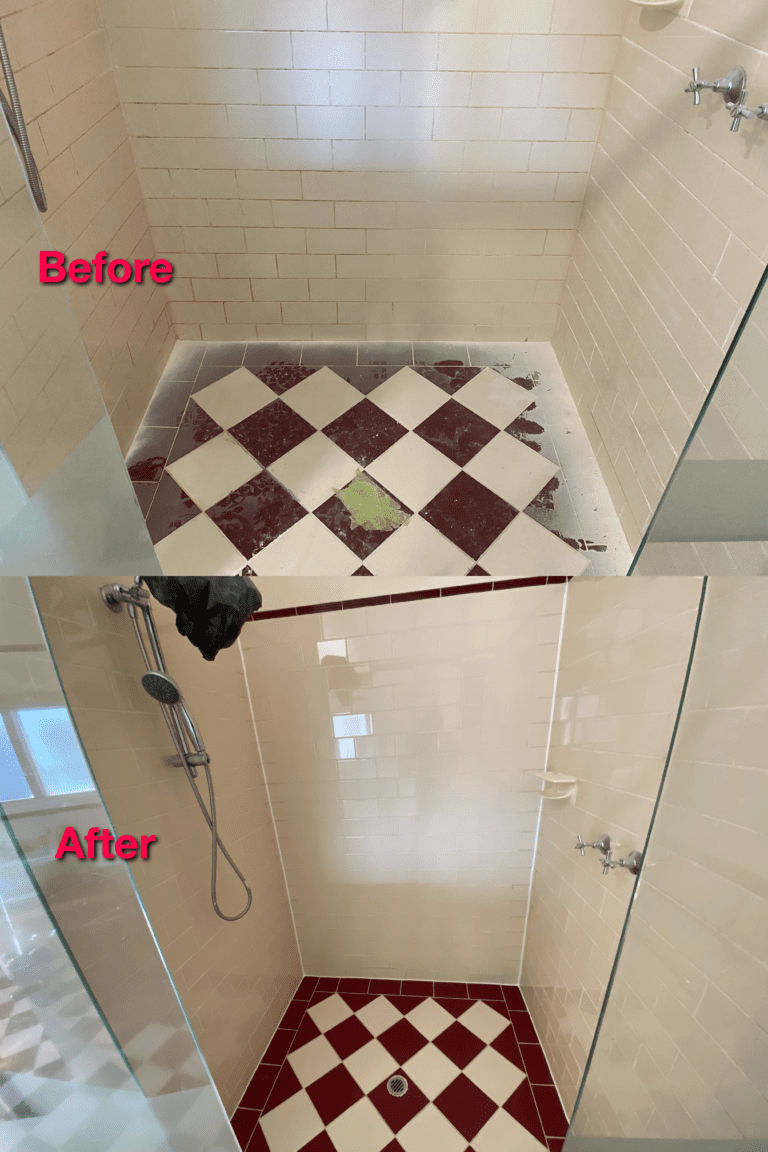
epoxy shower regrout before and after Melbourne
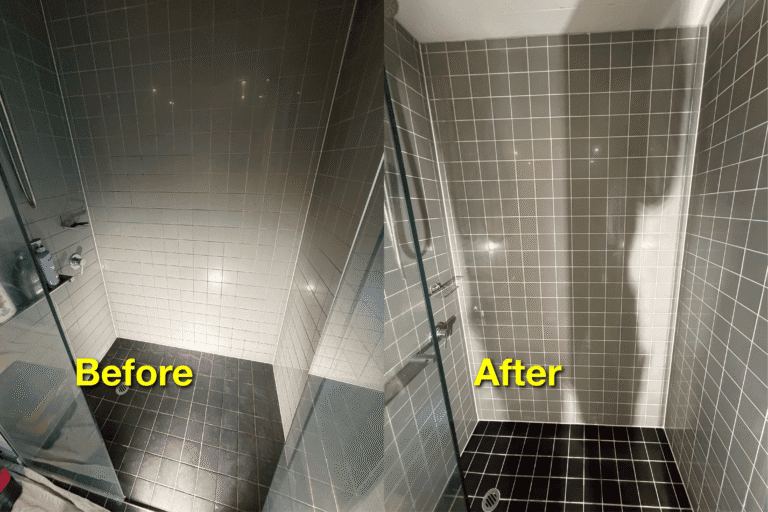
epoxy shower regrout melbourne

Standard Grout: The Pros and Cons

Pros

  • Lower cost, both for materials and labour.
  • Easier to apply and repair, which can mean a faster turnaround.
  • Wide availability of colours and finishes.

Cons

  • Porous by nature, so it absorbs water, soap, and body oils over time, which is exactly what feeds mould and mildew in a shower.
  • Needs regular sealing to slow down staining and water absorption, an ongoing maintenance task most homeowners forget about.
  • Shorter lifespan in wet areas, with cracking and discolouration more likely to show up sooner in showers than in drier parts of the home.
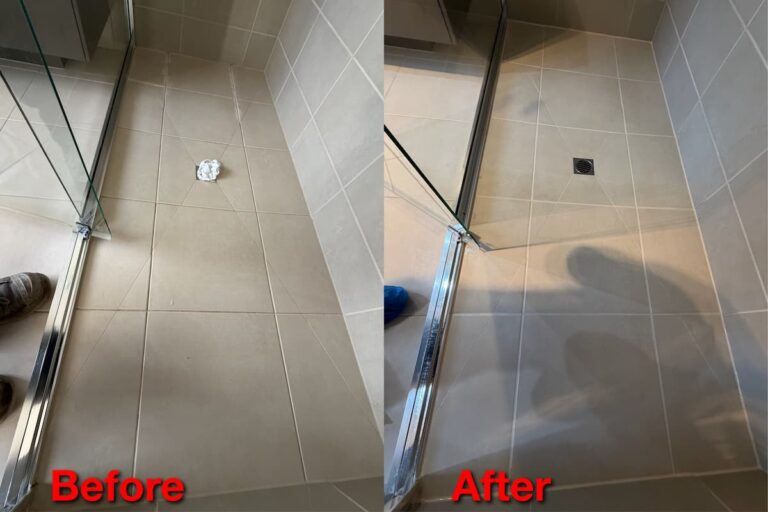
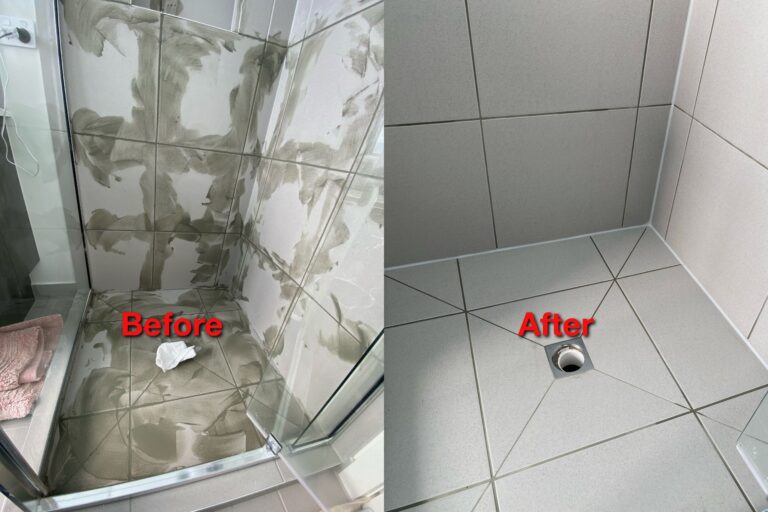
shower resealing before and after melbourne
shower restored melbourne
shower regrout and seal melbourne

So Which Should You Choose for a Shower?

For showers specifically, epoxy grout is usually the better long-term investment. Showers are one of the most demanding environments in the home for grout: constant moisture, temperature changes, soap and shampoo residue, and frequent use all accelerate wear on standard grout. Epoxy’s resistance to water, staining, and mould addresses the exact problems that cause most shower regrouts in the first place.

That said, standard grout still has a place, particularly if you’re working to a tighter budget, plan to sell or renovate again in the near future, or are regrouting a lower-moisture area like a splashback rather than a shower recess.

Our Recommendation

If you’re regrouting a shower and want to avoid doing it again in a few years, epoxy grout is worth the extra investment. If cost is the deciding factor, a well-installed and properly sealed standard grout can still perform well, provided you’re prepared to reseal it periodically.

Not sure which is right for your bathroom? Our team can assess your shower and walk you through the best option for your budget and how you use the space.

Book a free quote with GG Tiles & Stone Restoration →

FAQs

How long does epoxy grout last compared to standard grout? Epoxy grout typically lasts well beyond a decade with minimal maintenance, while standard grout in a shower often needs attention or resealing within a few years depending on use and care.

Does epoxy grout need to be sealed? No. Epoxy grout is non-porous and doesn’t require sealing, unlike standard grout.

Can epoxy grout be used over existing standard grout? No, existing grout needs to be fully removed before epoxy grout is applied to ensure proper adhesion and a clean finish.

Is epoxy grout worth it for a small ensuite? Yes. Ensuites and small bathrooms are still exposed to constant moisture, so the mould resistance and durability of epoxy make it a good fit even in smaller spaces.

👋 Get A Free Quote